Iridium Certus: L-band broadband for maritime, aviation and IoT (video)
A 2.5-minute product video (November 2019) from reseller Apollo Satellite presenting Iridium Certus, the multi-service L-band platform on the upgraded Iridium constellation for maritime, IoT, aviation, land mobile and government users. We explain what Certus is for in a Starlink world: the truly global, weather-proof, safety-grade fallback.
In this video
Apollo Satellite, a US satellite equipment reseller, published this 2 minute 32 second promotional video on 21 November 2019. Per its description, it presents Iridium Certus as "an advanced multi-service platform enabled by the upgraded Iridium constellation", offering "the highest L-band data throughput" for maritime, IoT, aviation, land mobile and government applications. It is a vendor clip: expect product shots and claims rather than measurements.
Why it matters for a business buyer
Iridium is the only constellation with true pole-to-pole coverage: 66 cross-linked satellites at about 780 km, replaced in 2017 to 2019 by the Iridium NEXT generation that Certus runs on. Certus comes in service classes named after their speed (Certus 100 for IoT and messaging, Certus 200 and 700 for maritime and aviation broadband, with 700 offering up to 704 kbps down), through terminals from partners such as Cobham, Thales and Intellian. Compared with Starlink's hundreds of megabits it is narrowband, and priced per megabyte or per plan accordingly. It survives for three reasons that matter to a fleet or an aircraft operator:
- Coverage and safety: L-band works in rain and at any latitude, and Iridium is recognised for GMDSS distress and safety services, which Starlink is not.
- Small, unpointed antennas that fit a helicopter, a buoy or a vehicle.
- Independence: a second, physically different network for when the Ku/Ka link is down, geofenced (Starlink must be switched off in Chinese waters, for example) or jammed.
In practice most commercial vessels now run Starlink as primary with an L-band or GEO fallback; our maritime comparison shows the numbers, and the Iridium providers in our directory (22 companies) are the ones that supply and activate Certus terminals.
Watch this if
You are specifying connectivity for a vessel, an aircraft or remote assets and need to explain to a budget holder why an L-band service is still on the bill next to Starlink.
Go further
Definitions: Iridium, maritime satellite connectivity, Cospas-Sarsat, satellite IoT. Directories: Iridium providers, maritime satellite providers, aviation satellite providers. Video: how Iridium and Globalstar changed the world.
Find a provider
The listings this resource is relevant to — every company is profiled with services, coverage and contact details.
Keep reading
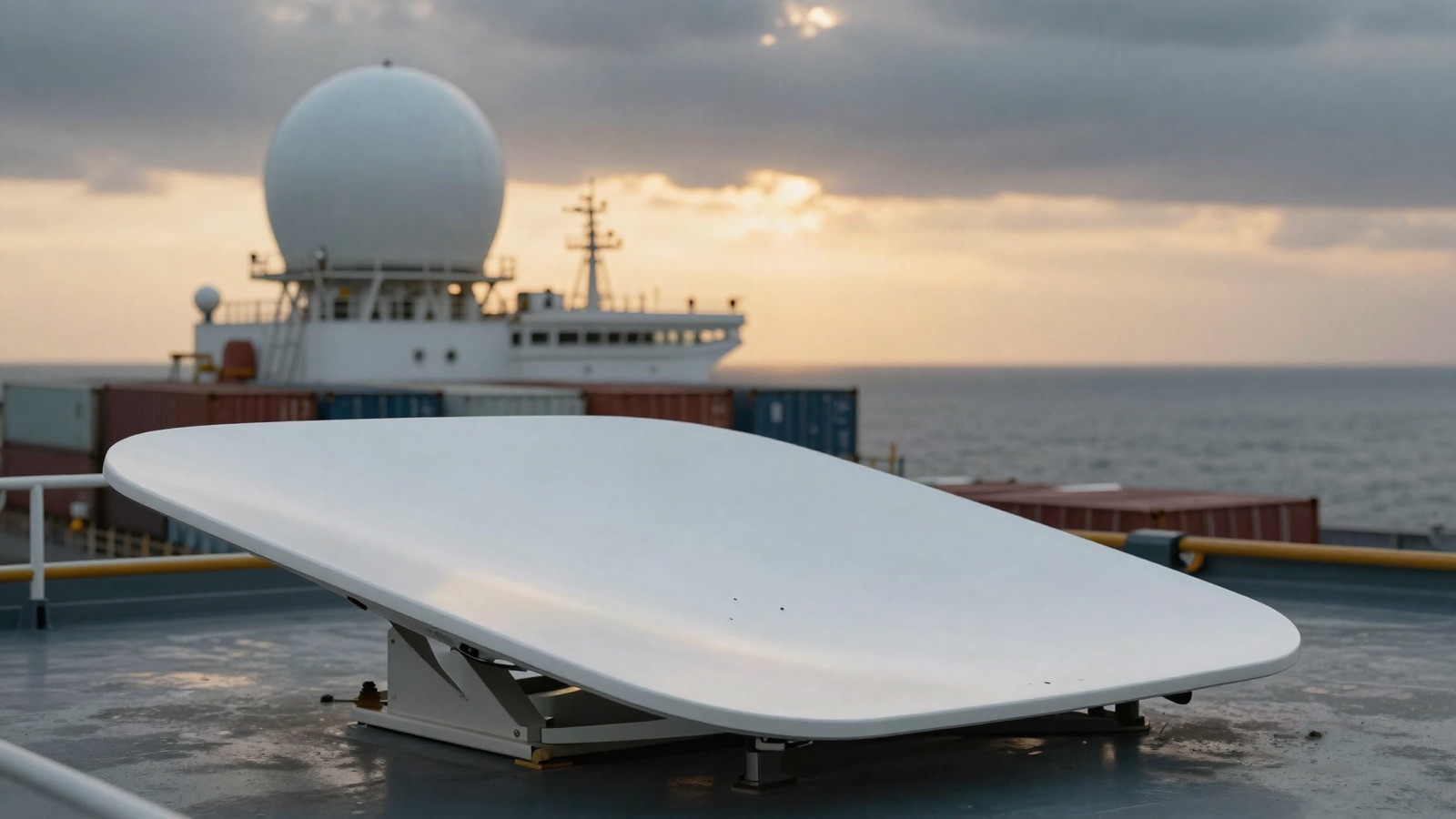
Starlink Maritime vs VSAT for commercial fleets: cost per vessel, plans and hybrid setups (2026)
Starlink Global Priority costs $250 (50 GB) to $2,150 (2 TB) a month per vessel when bought direct, and authorised distributors sell an unlimited…
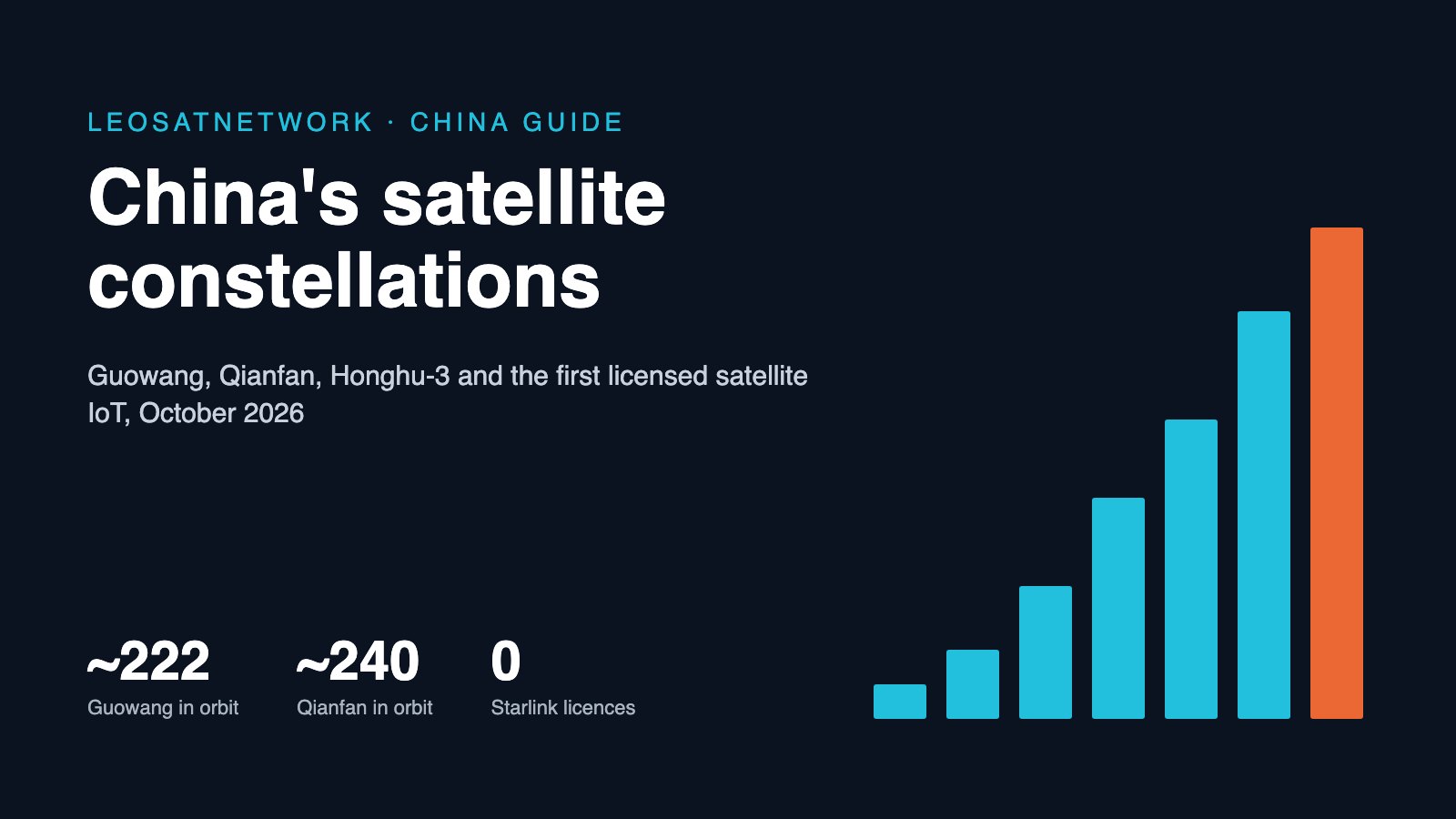
China's satellite constellations explained (2026): Guowang, Qianfan, Honghu-3 and who sells what
China is building two national LEO broadband constellations, Guowang (about 222 satellites in orbit in October 2026) and Qianfan (about 240), plus…
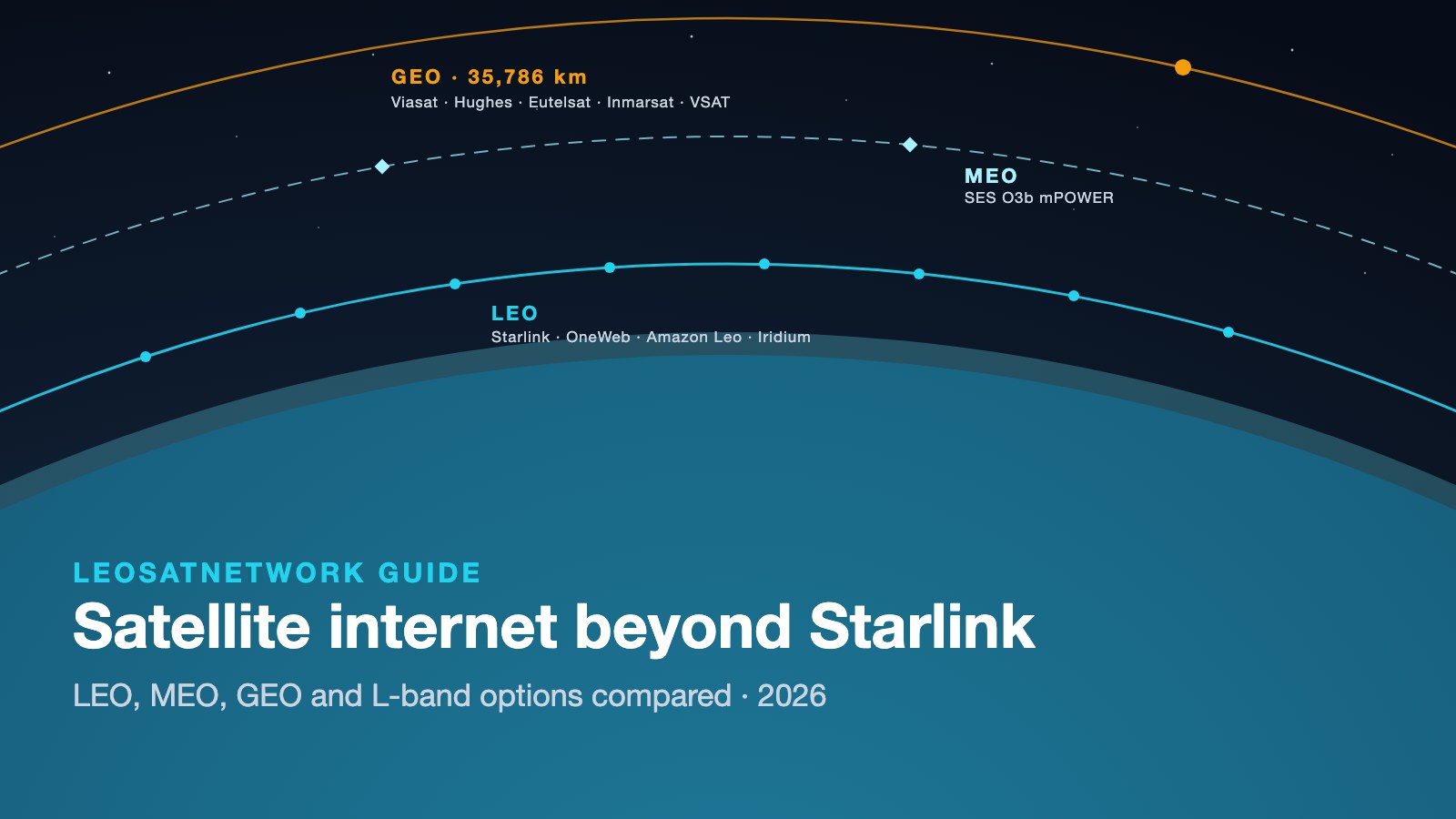
Satellite internet beyond Starlink: LEO, MEO, GEO and L-band options compared (2026)
Starlink sells residential service in 154 countries, but companies, fleets and governments also buy Eutelsat OneWeb (about 650 LEO satellites…
Related resources

Eutelsat's OneWeb LEO constellation, explained by Eutelsat (video)
Eutelsat's own 2.5-minute explainer (July 2026) of the OneWeb constellation: 600+ satellites in 12 polar planes at 1,200 km, Ka-band gateways and Ku-band user links, sold to enterprises, governments, ships and aircraft through distributors rather than direct. Context: the September 2026 order of 229 more satellites and the IRIS² transition.

How Iridium and Globalstar changed the world: the first constellations (Scott Manley)
Scott Manley's 18-minute history (December 2023, 165,000 views) of the first LEO constellations: how Iridium and Globalstar were designed and launched in the 1990s, why both went bankrupt, and how they survived to serve today's maritime, aviation and IoT markets. The best single background piece on why constellations are hard.

Starlink for Business: how to pick the right plan and dish (Nextiva)
A four-minute explainer from Nextiva (March 2025) on what a business buyer must know before ordering Starlink: how the service plans differ, which hardware fits which site, and when Starlink is the right fit for a company that fibre and cable do not reach. We add the 2026 prices and the questions the video does not ask.