Resources
Tools, sites and references for satellite connectivity
A curated collection of tools, websites, reports and videos to help you navigate the LEO satellite ecosystem.
Type
Tags
Will AWS make Amazon Kuiper faster than Starlink?
Analysis of how Amazon Web Services integration could give Project Kuiper performance and business advantages over Starlink.

Few firms could replicate Starlink's success: Iridium Communications
Interview with Iridium CEO discussing the challenges of building satellite constellations and why Starlink's rapid deployment is difficult to replicate.

Amazon Leo - A New Era of Internet
Amazon Leo (formerly Project Kuiper) brand announcement video introducing new name with nod to low-Earth orbit technology, positioning service for upcoming consumer and enterprise launch with AWS integration message.

Amazon Kuiper First Production Satellite Launch
Coverage of Amazon's historic first production Kuiper satellite launch on ULA Atlas V rocket, marking beginning of 80+ planned missions to deploy LEO constellation and compete with Starlink in global satellite internet market.

OneWeb Aviation - Connectivity in the Sky
Overview of OneWeb aviation connectivity services providing low-latency LEO satellite internet for commercial airlines and business jets, enabling passenger streaming, crew operations, and digital airline applications.
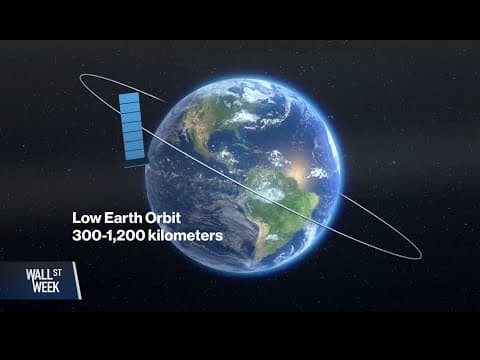
SpaceX Starlink Dominates as Low Earth Orbit Satellite Race Intensifies
Bloomberg Television analysis of the competitive landscape in LEO satellite internet market, focusing on Starlink's market dominance and future challenges from competitors.

Starlink Mini In-Depth Setup and Review
Comprehensive unboxing, step-by-step setup tutorial, detailed specifications review and performance testing of Starlink Mini portable satellite internet dish, highlighting its advantages for mobile and off-grid applications.

Amazon Kuiper is finally ready to take on Starlink's Satellite Monopoly
Analysis of Amazon's Project Kuiper readiness to compete with Starlink after launching first production satellites and developing ground infrastructure.

Inside Starlink Ground Station Infrastructure
Deep dive into Starlink's global ground station network architecture, antenna farm designs, signal processing systems, and how hundreds of gateways worldwide connect satellite constellation to internet backbone.

What Is A LEO Satellite?
Educational video explaining low Earth orbit satellites, their characteristics, advantages, and applications in modern communications.
OneWeb - Satellite Constellation
Overview video introducing OneWeb's satellite constellation concept and global connectivity mission.

Amazon's Kuiper satellites launched! Too little too late?
Analysis of Amazon's first Kuiper satellite launch timing and competitive positioning against Starlink's established network.
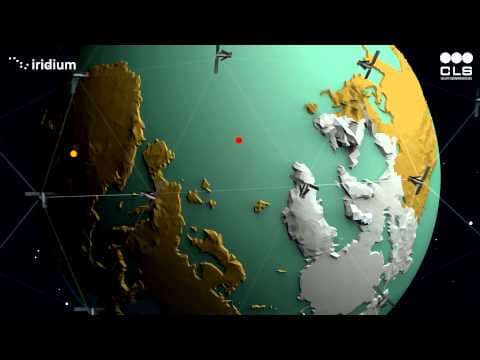
How Iridium Works
Technical explainer of Iridium satellite constellation operations including unique cross-link mesh network architecture.
Starlink Monitoring System
Complete Docker-based monitoring solution for Starlink connections using Prometheus, Grafana, and custom exporters. Measures performance metrics including speed tests, latency, and dish telemetry.
Are Low Earth Orbit satellites worse than Geostationary?
Technical comparison explaining why LEO constellations require many more satellites than traditional GEO systems but offer performance advantages.

OneWeb Maritime - how it works
Technical explanation of OneWeb's maritime connectivity solution for ships and offshore facilities using LEO satellite constellation.
AWS re:Invent - Amazon Leo Satellite Network on AWS
Official AWS re:Invent 2025 presentation on Amazon Leo (formerly Project Kuiper) LEO satellite network, covering architecture on AWS infrastructure, ground network design, customer terminal technology, and service delivery model.

Amazon Leo Update: Starlink Rival Gets a New Name, Shows Off 1 Gig Speeds
Update video covering Amazon's rebranding from Project Kuiper to Amazon Leo, showcasing new terminal designs and gigabit speed demonstrations.
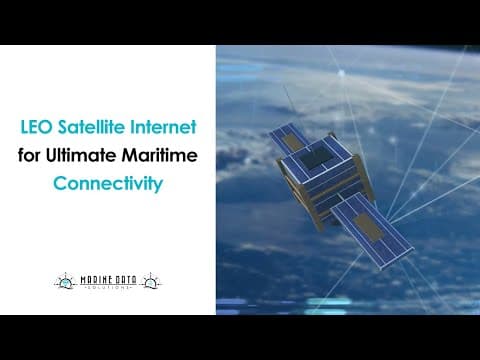
LEO Satellite Internet for Maritime Connectivity
Overview of how LEO satellite constellations are revolutionizing maritime connectivity with higher speeds, lower latency, and smaller terminals compared to traditional GEO VSAT for commercial shipping, fishing, offshore energy, and yachting.

How OneWeb's Connectivity Works
Official OneWeb animation explaining their global satellite internet system architecture and data flow.

Amazon Leo Ultra Introduced as the Fastest Satellite Internet Antenna
Technical review of Amazon's Ultra terminal design claiming superior performance compared to Starlink's enterprise offerings.
Aavora Starlink Management Platform
Enterprise-grade centralized platform for managing Starlink terminals at scale. Provides real-time visibility, subscription control, usage tracking, and fleet management.

How Starlink and LEO Satellites Transform Airplane Wi-Fi
Analysis of how low-Earth orbit satellite constellations like Starlink are revolutionizing in-flight internet, replacing slow GEO systems with high-speed connectivity enabling streaming, video calls, and seamless passenger experience at 30,000 feet.

Intellian OneWeb Antenna - Better Than Starlink?
Technical review of Intellian antenna designed for Eutelsat OneWeb constellation, comparing key differences from Starlink including electronically-steered design, maritime certification, dual-band capability, and integration with existing VSAT systems.
Questions about the resources
- What is in the LeoSatNetwork resources section?
- Tools, datasets, official reports and videos we reviewed for the satellite connectivity sector: Starlink monitoring scripts, orbital data such as CelesTrak, tracking maps, SpaceX's own performance report, spectrum policy briefings and constellation explainers. Each entry carries our own write-up: what it is, what you can do with it, who it is for, and its limits.
- Are the resources free to use?
- Most are: the open-source tools, the orbital datasets, the videos and the official documents cost nothing. Commercial platforms (a NOC connector, a managed service, a space-tracking platform) are marked as such in their write-up, with what the free tier includes when there is one.
- How do you choose and check a resource?
- We keep a resource when it answers a practical question for a buyer, an installer, a reseller or an analyst, and when we could verify it on its source on a stated date: repository activity, publisher, publication date, figures. Dead links and low-value videos are archived rather than left in place.