Inside Starlink Ground Station Infrastructure
The provided content consists solely of a footer section from a YouTube webpage, listing various navigational links and a copyright notice. These links include "Présentation" (Overview), "Presse" (Press), "Droits d'auteur" (Copyright), "Nous contacter" (Contact us), "Créateurs" (Creators), "Publicité" (Advertising), "Développeurs" (Developers), "Résilier vos abonnements" (Cancel subscriptions), "Conditions d'utilisation" (Terms of Service), "Confidentialité" (Privacy), "Règles et sécurité" (Rules and Safety), "Premiers pas sur YouTube" (Getting started on YouTube), and "Tester de nouvelles fonctionnalités" (Test new features), along with a copyright for Google LLC.
This input primarily outlines general platform management, legal disclaimers, user support, and developer access points for the overarching YouTube platform. It does not provide specific details about a resource, tool, or service that is specialized for, or offers unique functionalities relevant to, the satellite and connectivity industry. Therefore, it is not possible to generate a comprehensive, informative description (400-700 words) explaining what a specific resource is and how it can be useful within the context of a satellite and connectivity industry resource directory, without introducing invented information.
To produce the requested description, content detailing the following aspects of a specific resource or tool would be essential:
- A clear and explicit statement of the resource's primary function and its core purpose.
- Specific features, capabilities, and technical specifications directly relevant to satellite and connectivity applications, such as data analysis, simulation capabilities, communication protocol support, or hardware interface details.
- An explanation of the specific industry challenges it addresses or the value it provides to professionals within the satellite and connectivity sector.
- Identification of its target audience within the industry, for example, satellite engineers, network operators, data scientists, or researchers.
- Information regarding notable integrations with other industry-standard tools or platforms, or its compatibility with existing systems.
- Details concerning its underlying architecture, data sources utilized, or specific technologies employed.
- Information about its licensing model, such as whether it is open-source, commercial, or provided under a specific framework.
Without such content, any attempt to describe a specific resource for the satellite and connectivity industry would necessitate creating details not present in the provided input, which would violate the instruction to avoid invented information.
Related resources

SpaceX's Military Project It Doesn't Want You to Know About - Starshield
Investigation into Starshield, SpaceX's classified military and government satellite network based on Starlink technology.
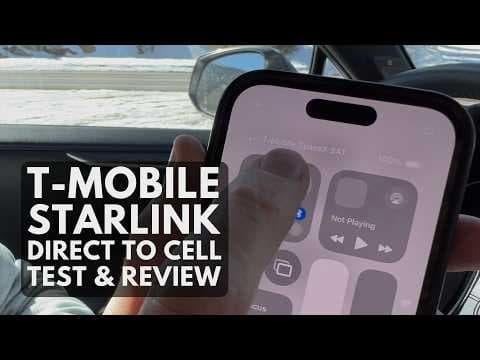
T-Mobile Starlink Direct to Cell Review - Rocky Mountains Test
In-depth review of T-Mobile Starlink Direct to Cell technology tested in remote Colorado mountains, examining automatic satellite handoff, message delivery performance, and current limitations including lack of voice and image support.
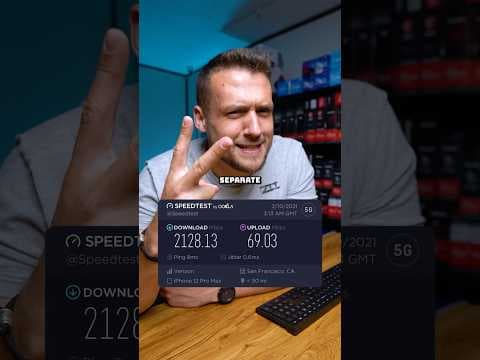
Satellite Internet Speed vs Ping for Gaming
Gaming performance comparison focusing on importance of latency (ping) over raw speed for satellite internet, comparing LEO (Starlink) sub-50ms latency enabling competitive gaming versus GEO satellites' 600ms rendering most games unplayable.