T-Mobile Starlink direct-to-cell tested in the Rocky Mountains (DISHYtech)
An 11-minute independent field test (February 2025, 131,000 views) of T-Mobile's Starlink direct-to-cell service in the Colorado Rockies, filmed during the beta: what a standard phone could and could not do with satellite texting. We add what changed by September 2026 and what it means for enterprise mobility.
In this video
DISHYtech, an independent Starlink-focused channel, published this 11 minute 16 second review on 26 February 2025 with the subtitle "The Worst It Will Ever Be". The creator drives into the Rocky Mountains of Colorado, out of terrestrial coverage, to test T-Mobile's Starlink direct-to-cell beta on an ordinary smartphone: connection times, sending and receiving texts, and the behaviour when satellites pass. It had about 131,000 views when we checked. The description contains referral links, which is disclosed; the test itself is hands-on rather than sponsored.
Why it matters for a business buyer
Direct-to-device service uses satellites that transmit on the mobile operator's own spectrum so that an unmodified phone connects as if to a distant cell tower. Where the service stands in September 2026:
- T-Mobile's T-Satellite went commercial on 23 July 2025 with texting, and Text-to-911 was opened to all carriers' customers. Voice and data are in testing through 2026, with the full service tied to Starlink's next satellite generation and expected around the second half of 2027.
- AT&T and Verizon rely on AST SpaceMobile instead; AST launched three more BlueBird satellites on 5 August 2026 (13 in orbit) but pushed its commercial rollout to 2027 after the New Glenn launch-pad explosion.
- On its 4 August 2026 earnings call SpaceX announced a "Starlink Mobile" direct-to-consumer plan using the 65 MHz of spectrum bought from EchoStar; it cannot operate before late 2027.
For a fleet manager or a safety officer the practical reading is: satellite texting on ordinary phones is real and useful for lone workers and vehicles out of coverage; it is not a replacement for a terminal. Data-hungry field work still needs a Starlink Mini or a vehicle-mounted terminal (see the Clarus webinar) or a satcom-on-the-move system from the mobility providers in our directory.
Watch this if
You want to see what direct-to-cell actually looked like on a phone in early 2025 before promising it to a workforce, or you are comparing it with an L-band satellite phone or a Garmin-style messenger for lone-worker safety.
Go further
Definitions: non-terrestrial network, personal locator beacon, Starlink. Directories: mobility satellite providers, Starlink in the United States. Guide: Starlink in the United States.
Find a provider
The listings this resource is relevant to — every company is profiled with services, coverage and contact details.
Keep reading
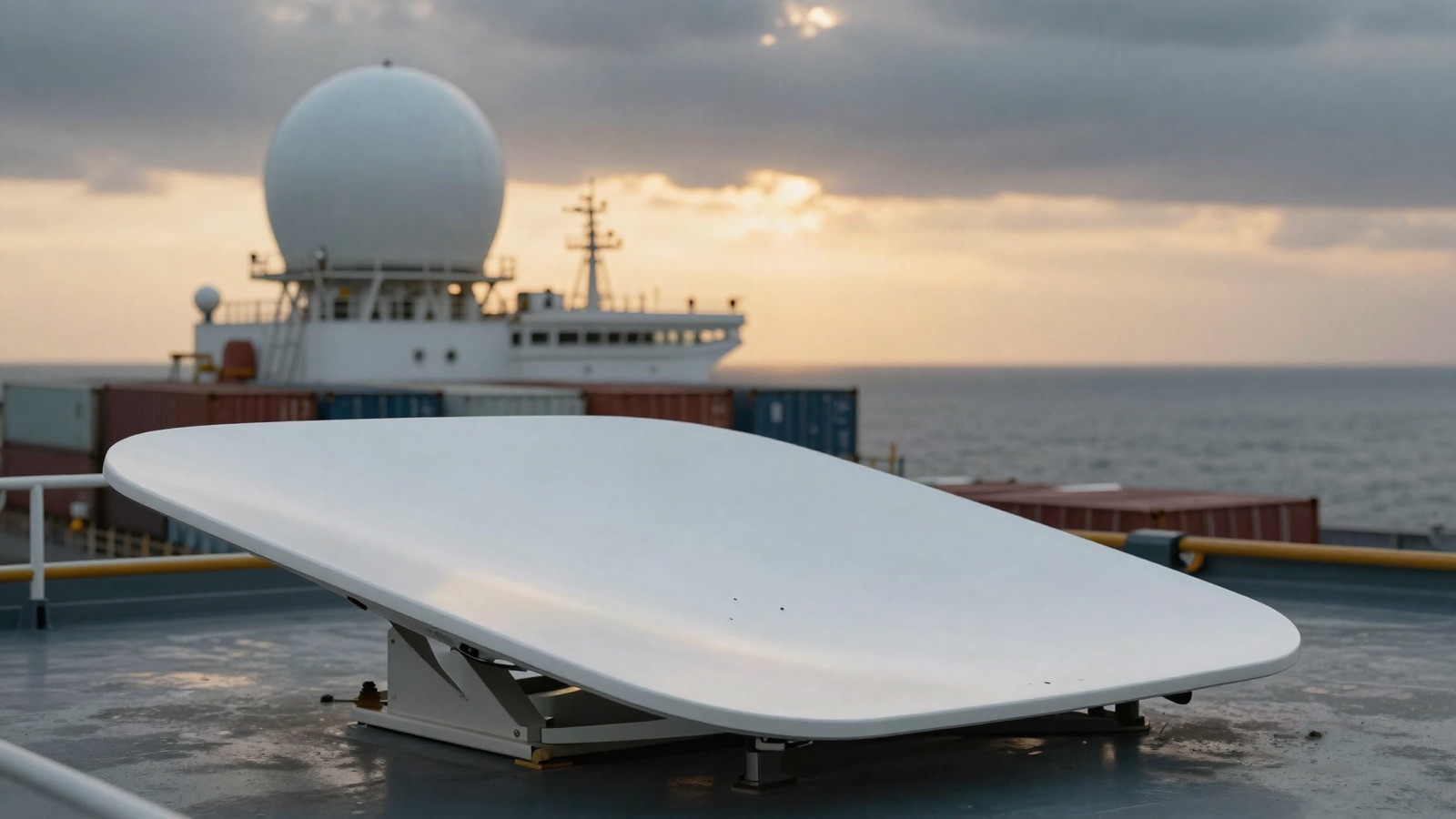
Starlink Maritime vs VSAT for commercial fleets: cost per vessel, plans and hybrid setups (2026)
Starlink Global Priority costs $250 (50 GB) to $2,150 (2 TB) a month per vessel when bought direct, and authorised distributors sell an unlimited…

Starlink in the United States: prices, installation cost and installers (2026)
Starlink covers every US state. Residential costs $55, $85 or $130 a month by speed tier, there is no upfront hardware cost in select areas ($349…

Starlink in the UK: availability, prices and installers (2026)
Starlink covers all of the UK. Residential costs £40, £60 or £80 a month depending on the speed tier your address is offered, there is no upfront…
Related resources

Starlink for Business: how to pick the right plan and dish (Nextiva)
A four-minute explainer from Nextiva (March 2025) on what a business buyer must know before ordering Starlink: how the service plans differ, which hardware fits which site, and when Starlink is the right fit for a company that fibre and cable do not reach. We add the 2026 prices and the questions the video does not ask.
Starlink Network Update: SpaceX's official performance figures
SpaceX's own network report: ~200 Mbps median peak-hour download and 25.7 ms median latency in the US (mid-2025), 450 Tbps of cumulative capacity, 6 million+ customers, 7,800+ satellites, 100+ US gateway sites, and the third-generation satellite targets. The numbers to quote, and how to read them.
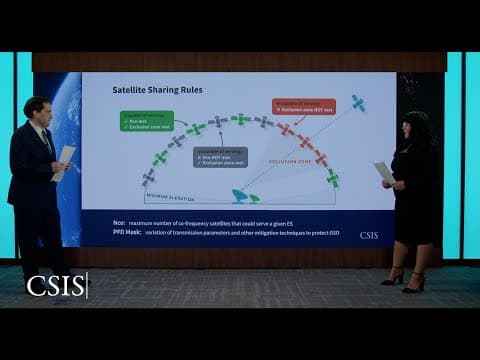
Outdated rules, new space race: modernising LEO spectrum policy (CSIS)
An 11-minute CSIS video (August 2025) in which Matt Pearl (CSIS) and Karina Perez (CCIA) argue that decades-old spectrum rules, notably the power limits shared between LEO and GEO systems, slow US LEO innovation, and explain what modernising them would mean for capacity and competition.